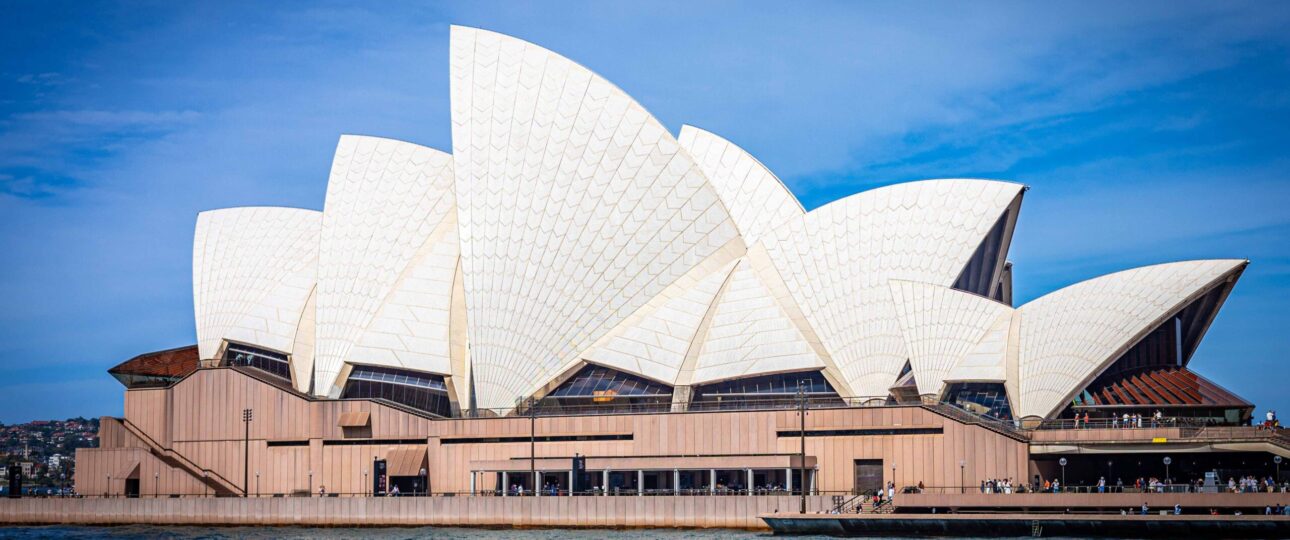
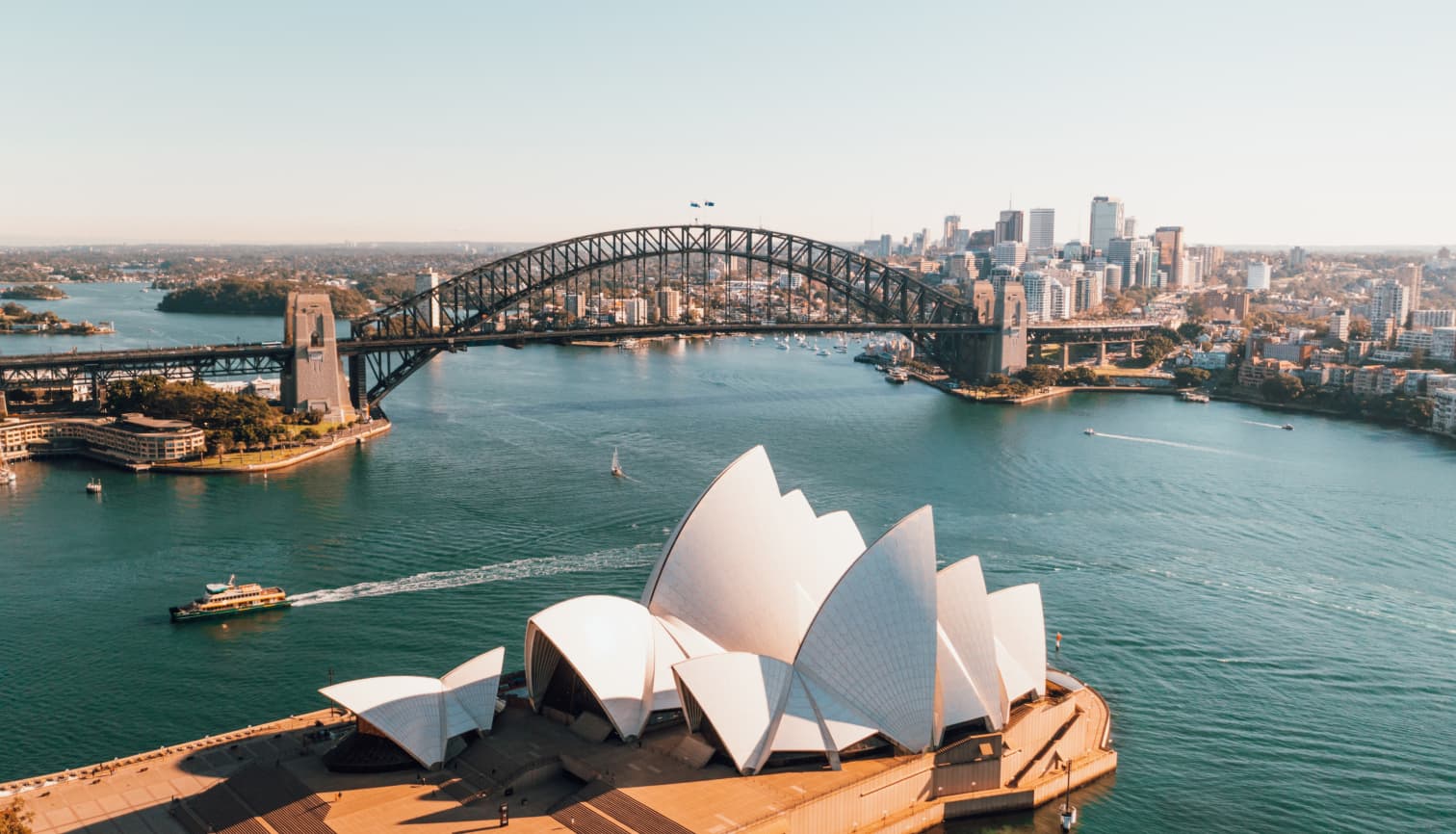

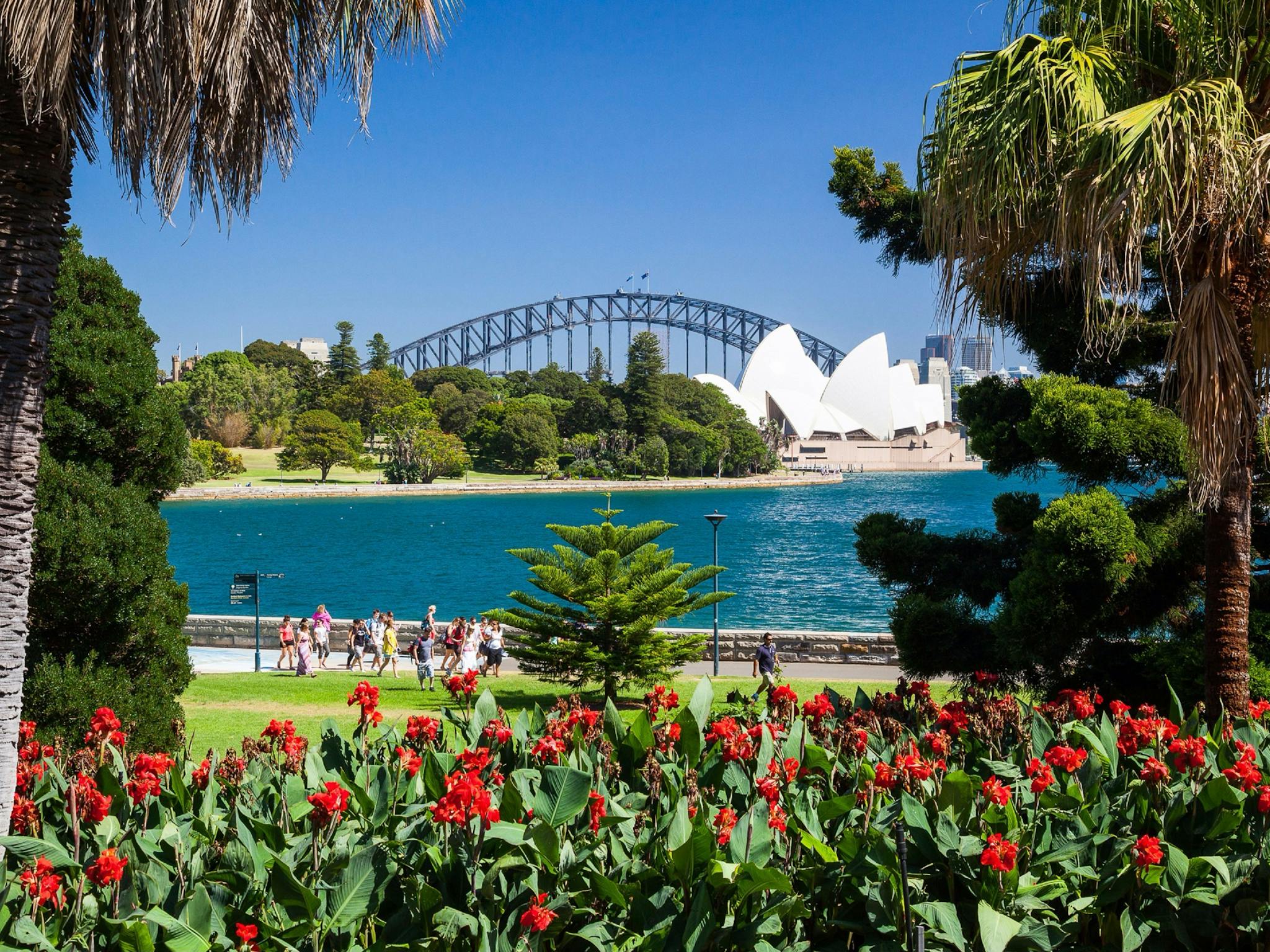
Iconic Sydney Harbour Bridge and Opera house
Australia is a vast and diverse country that blends vibrant coastal cities with some of the world’s most ancient and unique natural landscapes. From the iconic harbors, beaches, and cultural landmarks of cities like Sydney and Melbourne to the tropical rainforests and coral ecosystems of Queensland, Australia offers an extraordinary range of experiences.
Travelers can expect dramatic coastlines, world-class wildlife encounters, a relaxed outdoor lifestyle, and a strong connection to Indigenous heritage. Distances are significant, climates vary widely by region, and advance planning—especially for transport and tours—is essential.
Key Information for Travelers
Australia is both a country and a continent, Its landscapes range from tropical rainforests and coral reefs in the north, to temperate coastal cities in the southeast, vast deserts in the interior (the Outback), and cooler regions in the south.The capital city is Canberra. Major cities include Sydney, Melbourne, Brisbane, Perth, and Adelaide, each offering a distinct cultural and geographic character.
Vehicles drive on the left-hand side of the road. Cities have well-developed road networks, while regional and coastal drives can involve long distances and changing conditions.
Australia enforces some of the world’s strictest biosecurity laws to protect its ecosystems. All food, plant, and animal products must be declared upon arrival, with significant penalties for non-compliance.
When to Visit Australia
Seasons are opposite to the Northern Hemisphere, and climate varies greatly by region.
Summer (Dec–Feb):
Hot and sunny, ideal for beaches and coastal activities. This is peak travel season, especially around Christmas and school holidays.
Autumn (Mar–May):
One of the best times to visit—mild temperatures, fewer crowds, and excellent conditions for sightseeing, hiking, and wine regions.
Winter (Jun–Aug):
Cooler in southern cities, with snow in alpine regions. Northern Australia is warm and dry, making it ideal for visiting places like Cairns and the Great Barrier Reef.
Spring (Sep–Nov):
Comfortable temperatures, blooming landscapes, and fewer tourists. Weather can be variable, but it’s a popular time for outdoor travel.
Essential Travel Tips
Visas:
Many travelers, including those from the US, require an Electronic Travel Authority (ETA) or eVisitor visa before arrival. Requirements should be checked in advance via the Australian Government immigration website.
Getting Around:
Due to Australia’s size, domestic flights are the most efficient way to travel between regions. Cities have strong public transport systems, while rental cars are ideal for coastal drives and regional exploration.
Health & Safety:
Sun exposure is intense—use sunscreen, hats, and protective clothing. Swim only at patrolled beaches and follow local guidance regarding wildlife and ocean conditions.
Culture:
Australians are known for their friendly, informal nature and strong outdoor culture. Indigenous Australian history and traditions form a vital part of the country’s identity, with cultural experiences available across the nation.
Flying in from Queenstown, New Zealand, we traded alpine scenery for coastal horizons and tropical rainforests—an abrupt but beautiful contrast that set the tone for the days ahead. Our Itinerary was for six nights covering Sydney and Cairns. Below is the day wise detail of our trip.
Day 1- Sydney City Tour – Harbour Views, History, and Coffee Culture
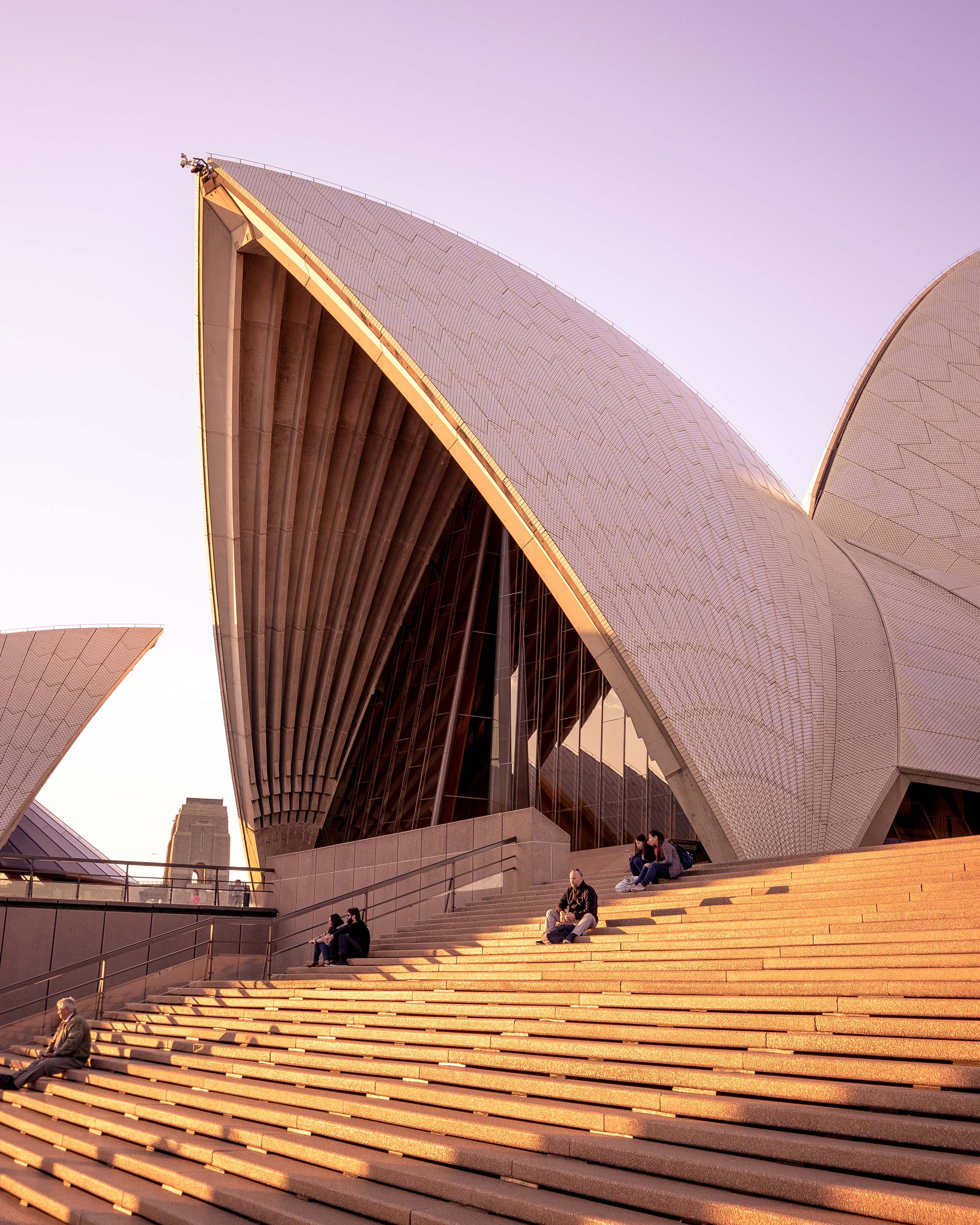
To understand Sydney, you start by walking its edges—Circular Quay, The Rocks, the harbor promenades—where the city feels most alive. Office workers eat lunch on stone steps by the water, runners trace the shoreline at sunrise, and ferries cut through the harbor like moving landmarks. It’s a rhythm that makes even a busy weekday feel unhurried.
Sydney’s public transport system makes exploring the city remarkably easy. The train network connects the CBD with major neighborhoods, beaches, and suburbs, running frequently and reliably throughout the day. Stations are well-marked, clean, and integrated with buses and ferries, allowing travelers to move seamlessly between different parts of the city.
The Opera House
Completed in 1973 after years of engineering challenges and political controversy, the Opera House has grown into something more than architecture. It’s Australia’s creative heartbeat and one one of the most photographed buildings. Whether you attend a performance or simply walk its perimeter, its a moving experience.
Nearby, the Harbour Bridge frames the skyline with quiet confidence. Locals refer to it simply as “the Coathanger,” a nickname that reflects Sydney’s casual relationship with even its grandest structures.
Royal Botanic Garden
Sydney isn’t defined by a single downtown core. Its personality comes from its neighborhoods:
- The Rocks – cobblestone streets, colonial history, and harbor views layered with centuries of stories
- Surry Hills – creative energy, boutique cafés, and some of the city’s best dining
- Darling Harbour – lively, family-friendly, and social, especially in the evenings
- Bondi & Manly – where beach culture becomes everyday life rather than a weekend escape
Each area feels distinct, yet all remain connected—by water, walkways, and an easygoing pace.
Sydney’s food scene reveals its multicultural roots immediately. This is a city shaped by migration, and its dining culture reflects that diversity effortlessly.
Coffee is treated as craft rather than convenience. Ordering a flat white feels ceremonial, and even small neighborhood cafés take pride in quality. Beyond coffee, food here moves fluidly across cultures—modern Asian-fusion dishes sit comfortably alongside Italian bakeries, Middle Eastern flavors, and fresh seafood served simply and well. Whether you’re dining by the harbor or grabbing something casual between walks, food in Sydney feels integrated into daily life.
Day 2- Manly Beach Day – Ferry Ride and Coastal Walks


One of the best ways to experience Manly is on foot. The coastal trail network here links around seven beaches and coves, offering constant ocean views without ever feeling crowded or strenuous.
We followed sections of the famous Manly Scenic Walkway, which connects beaches, headlands, and lookout points. Along the way, you pass:
- Manly Beach – wide, energetic, and perfect for surfing
- South Steyne – slightly quieter, with uninterrupted shoreline views
- Queenscliff Beach – popular with locals and swimmers
- Shelly Beach – a protected cove known for snorkeling and calm waters
- Smaller coves and rock platforms tucked between headlands
What makes this walk special isn’t distance—it’s variety. One moment you’re above cliffs with sweeping Pacific views, the next you’re walking past calm, turquoise water with swimmers floating peacefully below. Interpretive signs along the way share insights into local marine life and Indigenous history, reminding you that this coastline has been lived with and respected for thousands of years.
After the walk, Manly town feels like a reward. The Corso—Manly’s pedestrian strip—connects the beach directly to the ferry wharf and is lined with cafés, bakeries, and casual restaurants.
Food here reflects coastal Australian culture: fresh seafood, light meals, excellent coffee, and plenty of outdoor seating. Lunch felt unhurried, the kind where conversations stretch and no one brings the check too quickly. That relaxed pace is part of Manly’s charm—it’s not trying to impress, it’s simply being itself.
As the afternoon settled in, watching surfers paddle out while families lingered on the sand felt like a glimpse into everyday Australian life. Manly doesn’t feel like a tourist attraction—it feels lived in.
When we boarded the ferry back to Sydney, the skyline greeted us again, this time glowing in softer light. The city looked different now—less like a place we were visiting, and more like a place we briefly belonged.
Day 3- Sea Cliff Bridge, Kiama Blowhole, and Bondi Beach
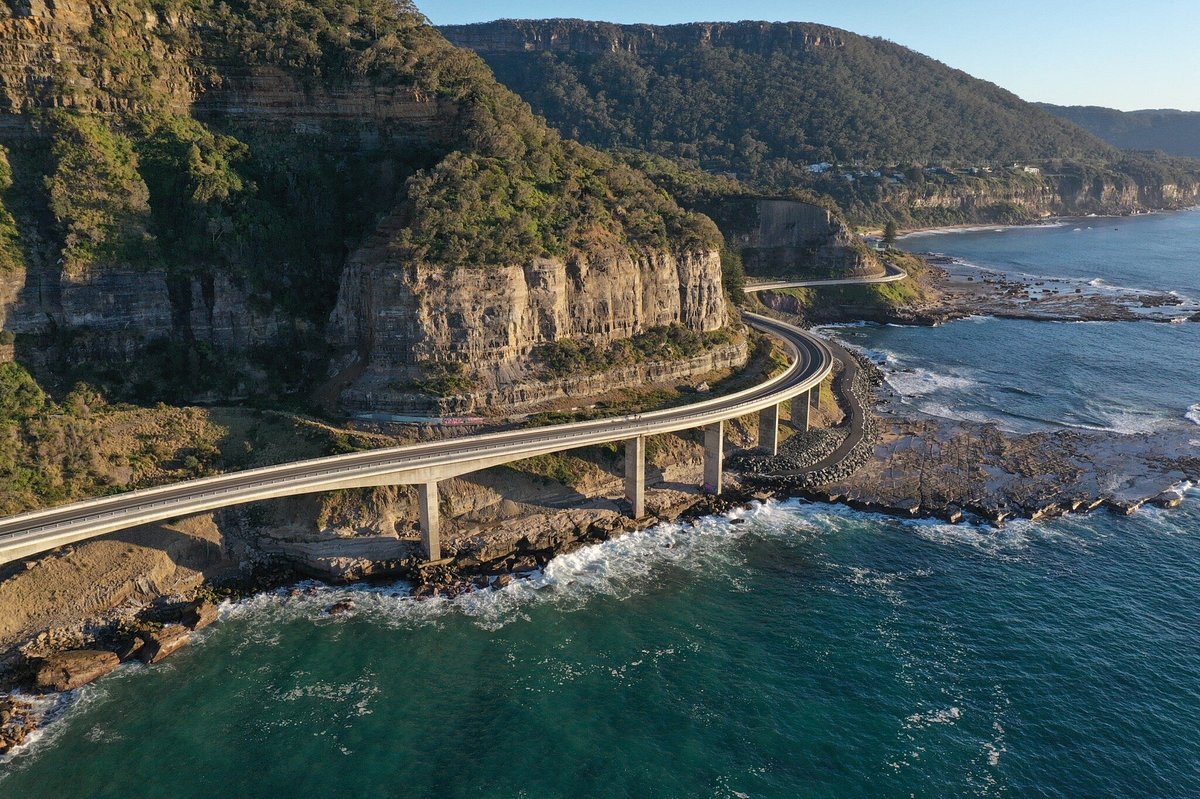

Day three showcased the raw drama of Australia’s coastline. Driving south toward Wollongong, the scenery became increasingly rugged, culminating at the Sea Cliff Bridge. The bridge curves gracefully along the cliff edge, suspended above the ocean—a striking example of infrastructure designed to complement nature rather than overpower it.
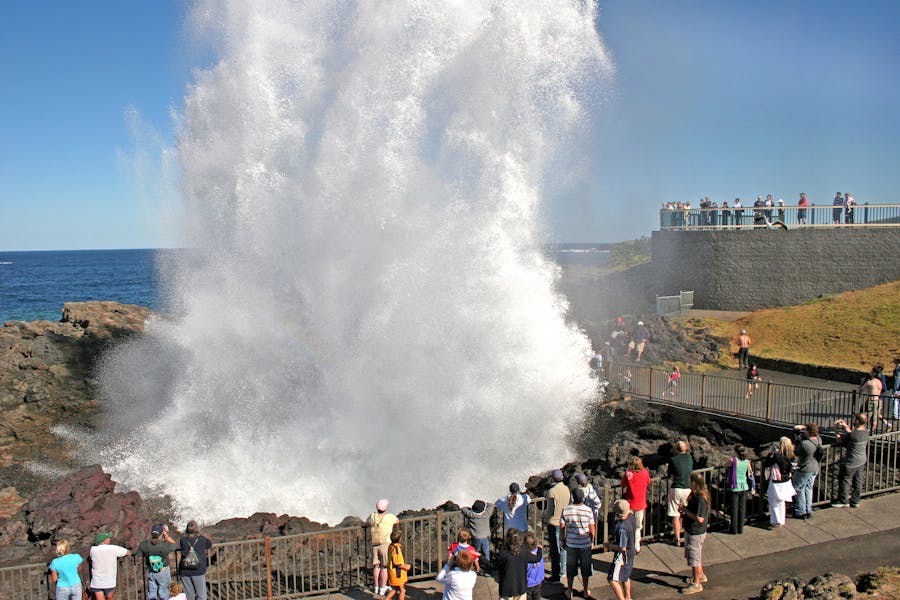
Further south, the Kiama Blowhole offered a reminder of nature’s unpredictability. Visitors gather patiently, waiting for the moment when waves force water through the rock formation, sending it skyward in a brief but powerful display.
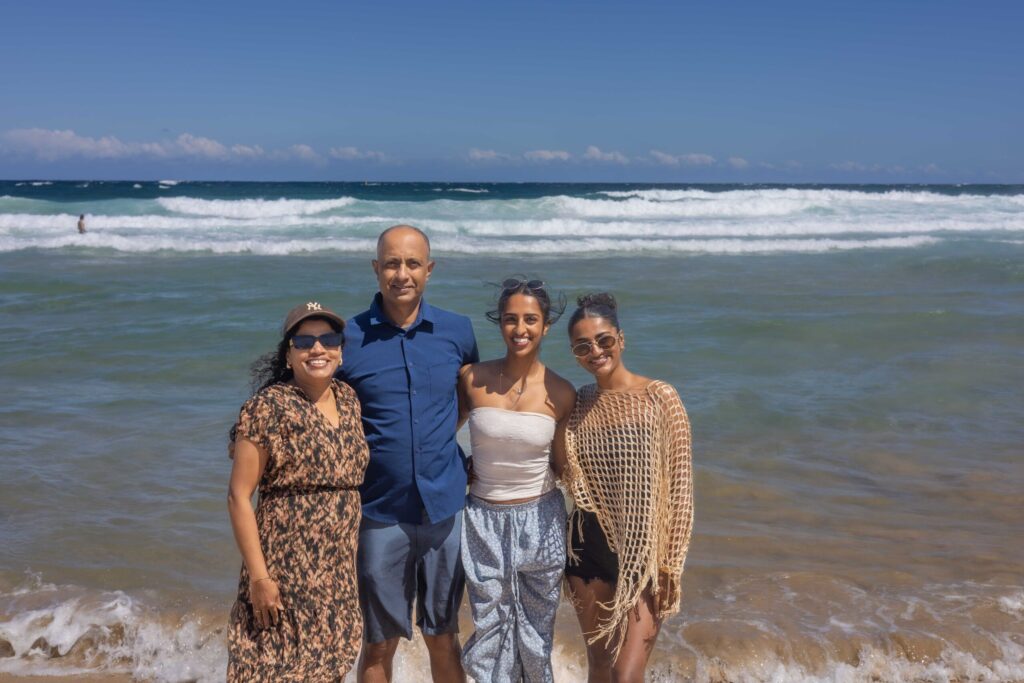
We ended the day at Bondi Beach, arguably Australia’s most famous beach. Bondi is more than a destination—it’s a cultural symbol. Made globally recognizable by the long-running TV series Bondi Rescue, the beach is a place where fitness, surf culture, and community intersect. Joggers line the promenade, surfers chase waves, and lifeguards patrol with calm authority. It feels energetic, social, and unmistakably Australian.
Day 4- Great Barrier Reef Tour

Cairns introduced us to a completely different Australia—tropical, slower paced, and deeply connected to nature.
Some places arrive with a sense of gravity, and the Great Barrier Reef is one of them. Long before you see it, you’re aware of its scale and significance. Stretching over 2,300 kilometers along Australia’s northeast coast, it is the largest coral reef system on Earth and one of the few living structures visible from space.
Formed over millions of years, the reef is not a single entity but a vast network of nearly 3,000 individual reefs and over 900 islands. It has been shaped slowly—by coral polyps no larger than a fingernail, building layer upon layer over time. Standing on the deck of the boat heading out from Cairns, it was humbling to realize that what awaited us below the surface was older than modern human civilization.
Long before it became a global icon, the Great Barrier Reef was known, navigated, and respected by Indigenous Australian communities, and Aboriginal groups along the Queensland coast. For thousands of years, the reef has been central to their food systems, navigation, stories, and spiritual life.
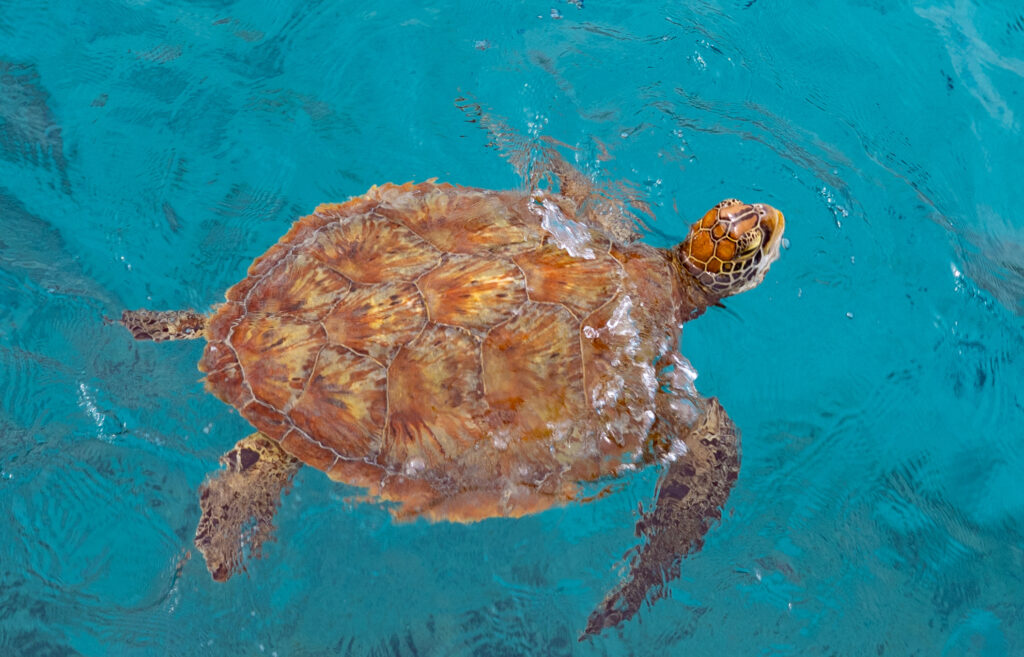
In 1981, the reef was designated a UNESCO World Heritage Site, recognized not just for its beauty but for its extraordinary biodiversity. It is home to thousands of species—corals, fish, turtles, rays, sharks, and countless microorganisms that together form one of the most complex ecosystems on the planet.
Green Island
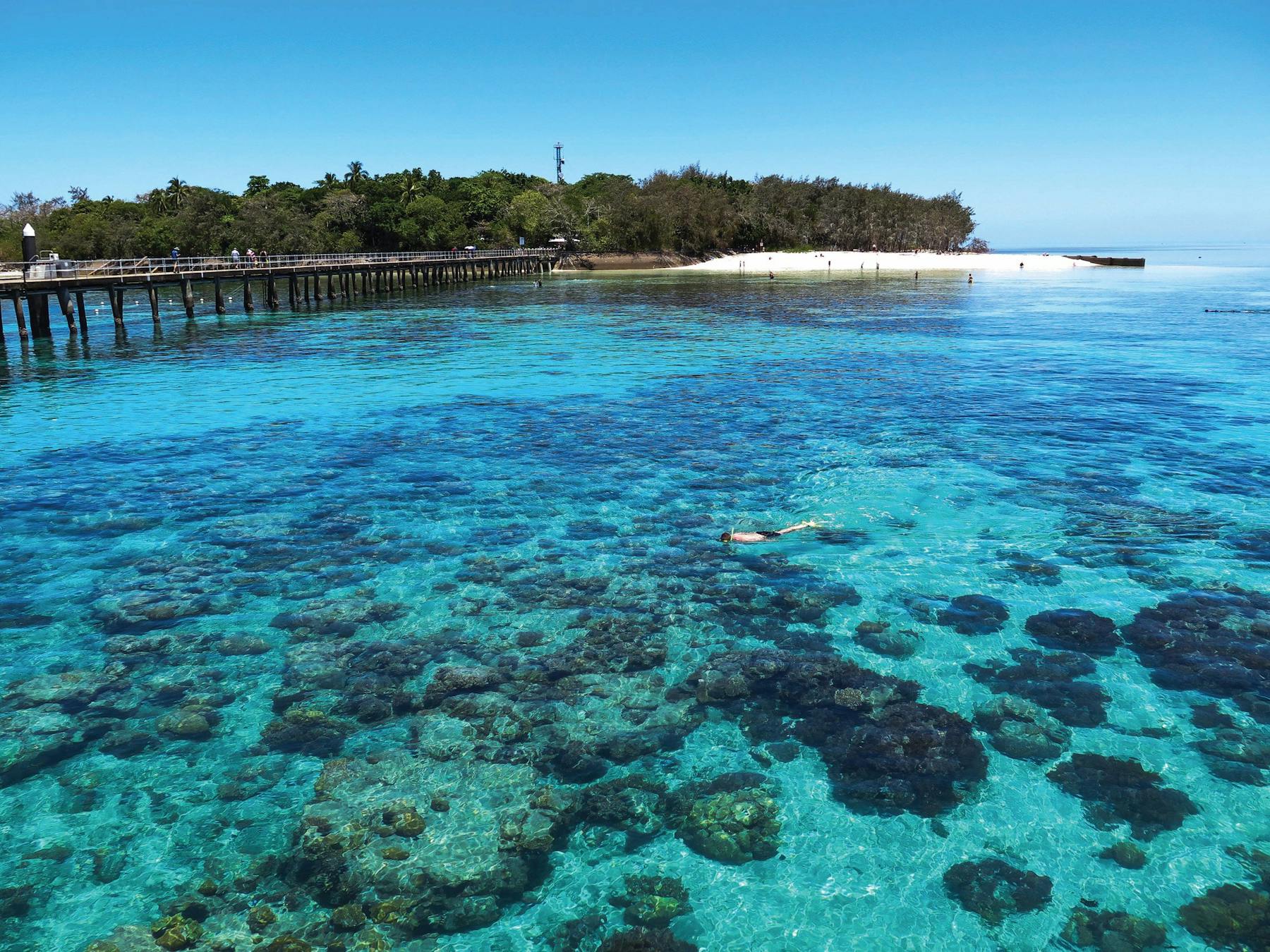
Our day began with a visit to Green Island, a coral cay fringed by reef and rainforest. Green Island itself is a fascinating contrast—dense tropical vegetation rising from a base of coral sand, reminding you how closely land and sea are intertwined here.
From there, we ventured further out to snorkel. The moment you slip into the water, the world changes. Sound dulls, movement slows, and suddenly you’re floating above coral gardens alive with color. Fish dart effortlessly between formations, unconcerned by your presence. Time feels suspended.
The glass-bottom boat ride offered a different perspective—one that emphasized scale over intimacy. From above, you can trace the shapes of coral bommies, watch schools of fish move together like living currents, and begin to understand just how interconnected the reef really is.
For those moments, it felt less like sightseeing and more like observation—quiet, respectful, and reflective.
The Great Barrier Reef is also one of the most discussed ecosystems in the world, often mentioned in the context of climate change and conservation. Rising sea temperatures, coral bleaching, and human impact have all taken their toll. Being there in person makes those conversations feel real rather than abstract.
And yet, there is resilience here too. Parts of the reef are regenerating, protected zones are showing signs of recovery, and conservation efforts—both scientific and Indigenous-led—are ongoing. Visiting the reef comes with a responsibility: to appreciate it deeply and to understand why its protection matters.
Day 5 – Kuranda Scenic Railway and Tropical Rainforest


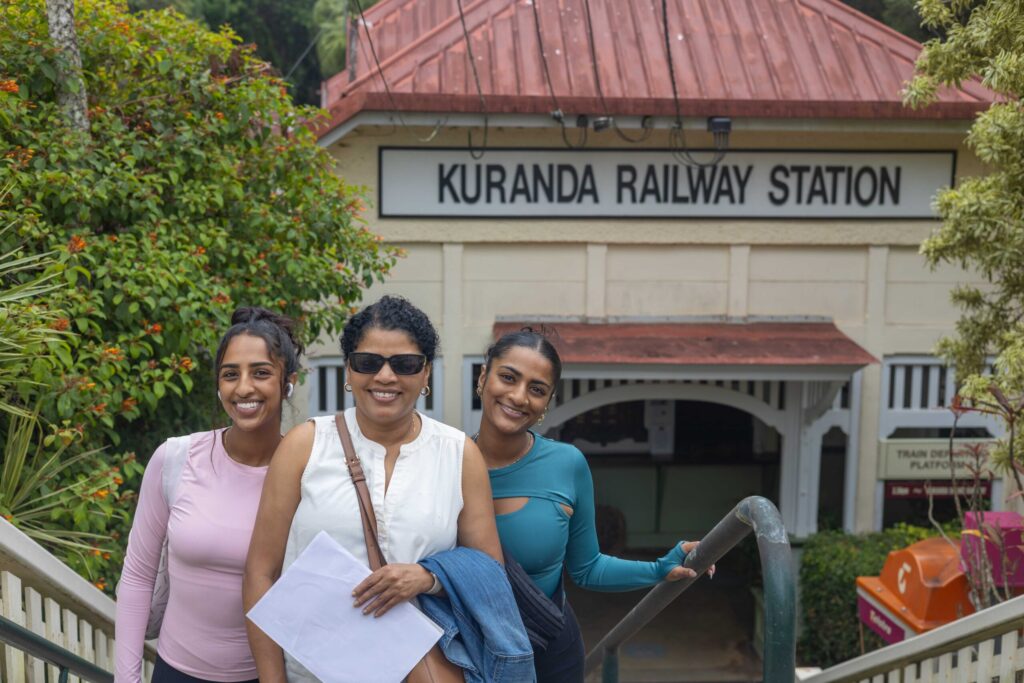
After the ocean blues of the Great Barrier Reef, day five took us inland—into a very different, much older Australia.
The journey to Kuranda is an experience in itself, and it begins with the legendary Kuranda Scenic Railway. Built between 1886 and 1891, this historic railway was originally constructed to connect Cairns with inland mining and agricultural regions. The engineering achievement is remarkable—cutting through dense rainforest, over steep ravines, and along sheer cliffs at a time when modern machinery barely existed.
As the train climbed steadily upward, the pace slowed in a way that felt intentional. Waterfalls appeared suddenly between trees, deep valleys opened below us, and the rainforest pressed in on all sides. The highlight was passing Barron Falls, especially powerful during wetter months, where the river plunges dramatically through a rocky gorge. It’s the kind of view that makes conversations stop mid-sentence.
The Rainforest: Older Than the Amazon
The rainforest surrounding Kuranda is part of the Wet Tropics of Queensland, one of the oldest surviving tropical rainforests on Earth—estimated to be over 100 million years old, even older than the Amazon. Walking through it, there’s a sense of deep time. Everything feels layered: towering trees, tangled vines, dense canopy, and constant birdsong.
This landscape has been home to Indigenous communities for tens of thousands of years, particularly the Djabugay people, whose connection to this land predates European settlement by millennia. That awareness adds gravity to the experience—it’s not just scenery, but living heritage.
Kuranda Village
Kuranda town itself feels intentionally modest. Rather than competing with the surrounding rainforest, it seems to exist quietly within it. The village developed as a retreat in the early 20th century and later became known for its artsy, alternative spirit—local markets, handmade crafts, and a slower pace of life.
There’s a timeless quality to Kuranda. Tourists come and go, but the town never feels rushed. It invites wandering without agenda.
One of the most memorable parts of the day was visiting Kuranda Birdworld and Kuranda Koala Gardens.
At the bird sanctuary, vibrant tropical birds flew freely around us—parrots, lorikeets, and cassowary-region species up close, without cages separating visitor from wildlife. It felt immersive rather than observational.
The koala and wildlife park offered something equally special. Feeding the Kangaroos , watching koalas up close, and learning about their habits and conservation challenges made the experience feel personal .
Day 6- Return to Sydney
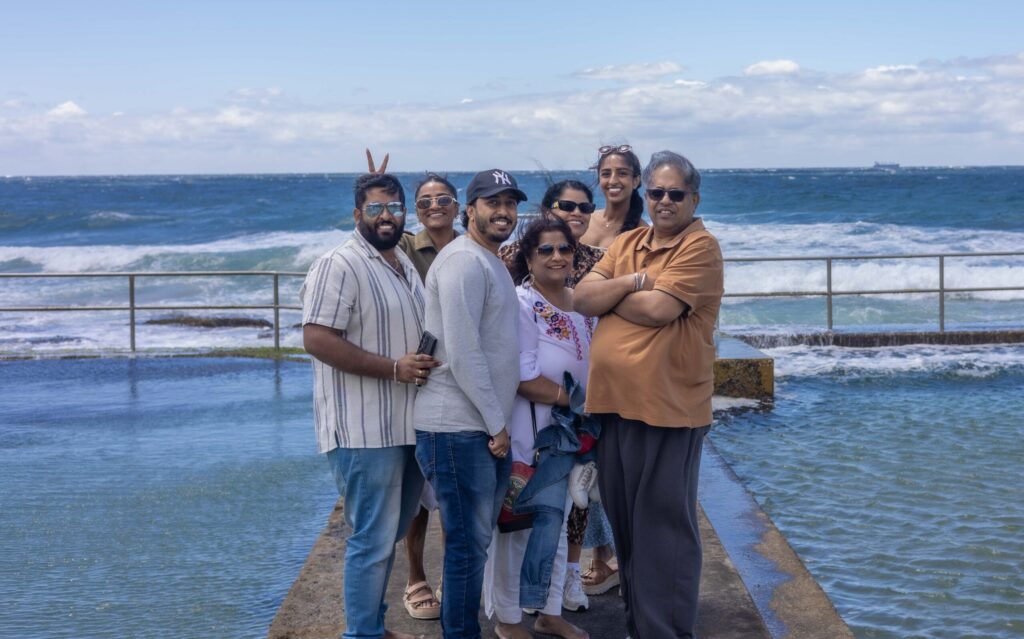
Our final day brought us back to Sydney, where we spent time with family and friends before flying out. After days filled with movement and discovery, ending the trip slowly felt right. It allowed space to reflect and absorb the journey rather than rushing toward one final attraction.
Final Thoughts: Why Australia Deserves More Than One Visit
Six days in Australia felt like an introduction, not a conclusion. Sydney offered world-class urban living paired with coastal ease, while Cairns revealed ecosystems shaped over millions of years.
With more time, cities like Melbourne—known for its laneways, café culture, arts scene, and food obsession—would be a natural next stop. Tasmania, Western Australia, and the Red Centre each offer entirely different perspectives again.
Australia rewards slow travel and curiosity. This trip didn’t feel like something we completed—it felt like something we started.
For more travel stories visit Best of New Zealand in 7 Days