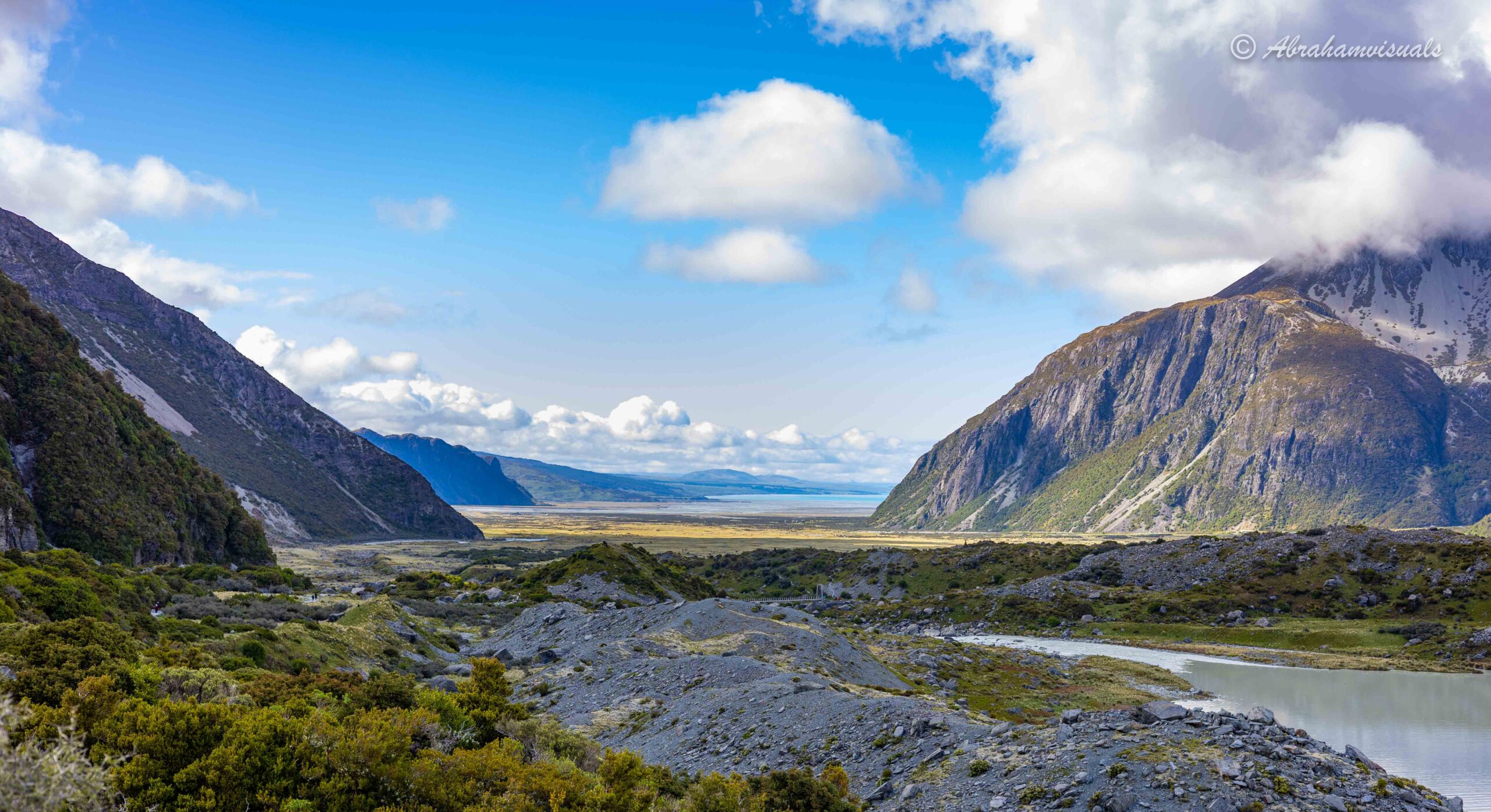
New Zealand offers stunning landscapes, from North Island’s geothermal wonders (Rotorua) and beaches to South Island’s dramatic Southern Alps, fjords (Milford Sound), glaciers (Franz Josef), and adventure sports (Queenstown), rich with Maori culture and unique wildlife like the kiwi. Expect breathtaking landscapes, diverse activities and a mild, rainy climate, requiring left-hand driving and advance planning, especially for transport.
Key Information for Travelers
Geography: Comprises two main islands, the North and South, both roughly bisected by mountain ranges. The North Island is known for its milder climate and active volcanoes, while the South Island features rugged, alpine scenery.
Capital & Major Cities: The capital is Wellington, and the largest urban area is Auckland. English and Māori are the official languages. Currency is New Zealand Dollar (NZD). Emergency Number: 111 (for fire, ambulance, and police).
Vehicles drive on the left-hand side of the road. Most intercity travel occurs on narrow, two-lane roads with sharp curves, requiring caution.
Strict biosecurity measures are in place to protect the unique environment. Visitors must declare all food, plant, and animal products on arrival.
When to Visit
Summer (Dec-Feb): Peak season with the warmest weather, ideal for hiking and beaches. It is the busiest and most expensive time, especially during local school holidays in December and January.
Autumn (Mar-May): Milder weather, fewer crowds, and beautiful fall colors. The grape harvest begins in February/March.
Winter (Jun-Aug): Snow in the South Island offers excellent skiing opportunities. North Island weather is milder, but often rainier.
Spring (Sep-Nov): Blooming flowers, lambing season, and full rivers for white-water rafting. Weather can be unpredictable.
Essential Travel Tips
- Visas: Many visitors from countries like the US require a New Zealand Electronic Travel Authority (NZeTA) and must pay the International Visitor Conservation and Tourism Levy (IVL) – $100 per person! before arrival. Check requirements in advance on the Immigration New Zealand website.
- Getting Around: Renting a car or campervan is a popular way to explore the countryside, with ferries (Interislander and Bluebridge) connecting the two main islands. Domestic flights and public buses are also available.
- Outdoor Safety: The sun’s UV rays are strong; always use sunscreen and wear a hat. Weather can change rapidly in the mountains, so check forecasts and use the Department of Conservation (DOC) website for alerts.
- Culture: New Zealanders are friendly and down-to-earth, often referred to as “Kiwis”. Māori culture is a significant part of the national identity and can be experienced through cultural performances and historical sites.
Renting a car in Auckland and Christchurch gave us the freedom to explore at our own pace, and the journey was nothing short of spectacular. The entire process from renting a car to driving almost 1350 KM (850 miles) through the north and south of New Zealand was moderately challenging but necessary to travel a rugged and vast landscape like that of New Zealand. In Christchurch we took a one way rental, dropping off the car at Queenstown at the end of our trip.
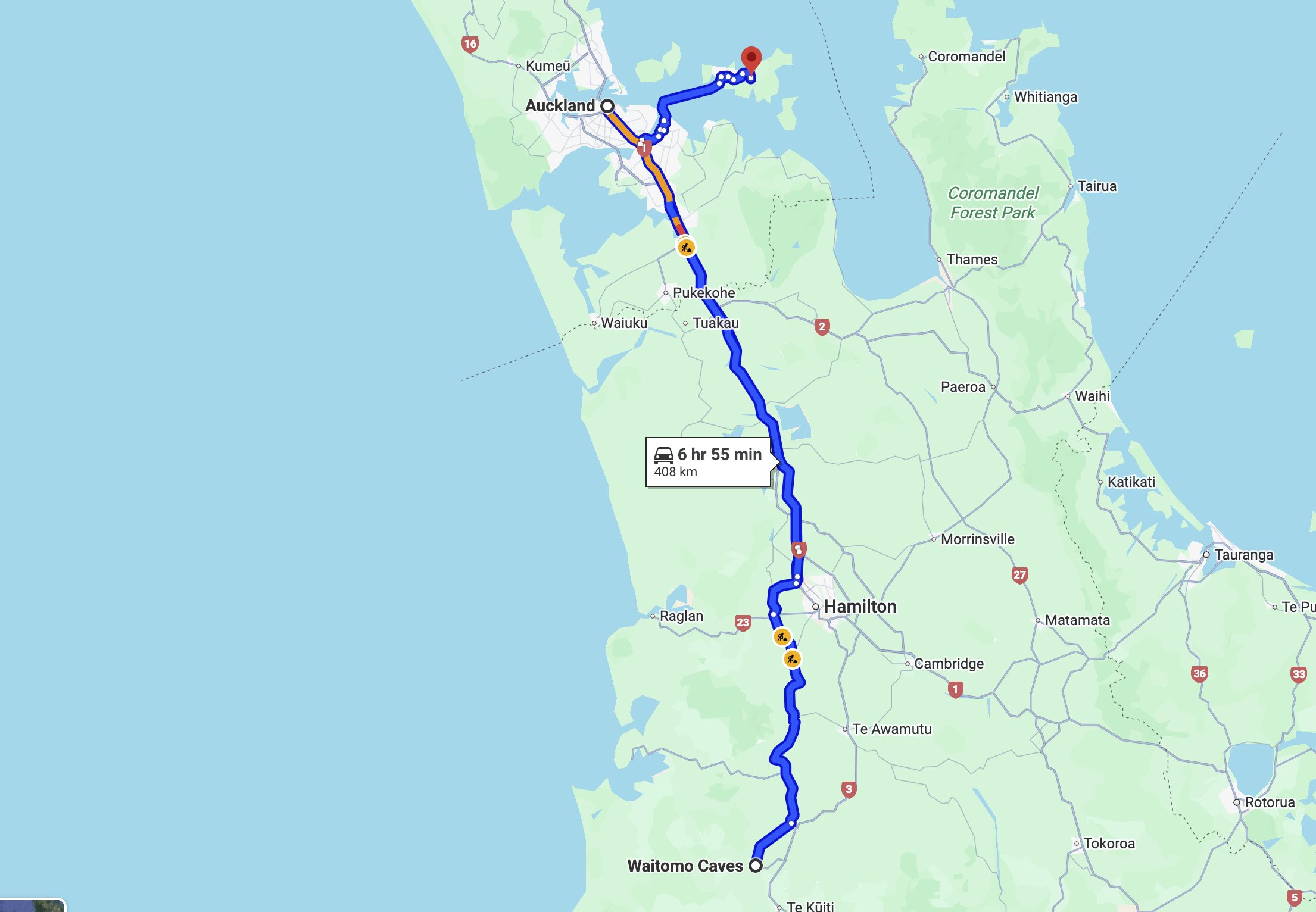
Northern Island Road trip
For a 2-day trip through North Island trip starting in Auckland the most efficient and popular itinerary is a road trip focusing on the central highlights: Waitomo Caves, Hobbiton Movie set and Rotorua’s geothermal wonders and Maori culture and of course stunning beaches. Our itinerary was as below
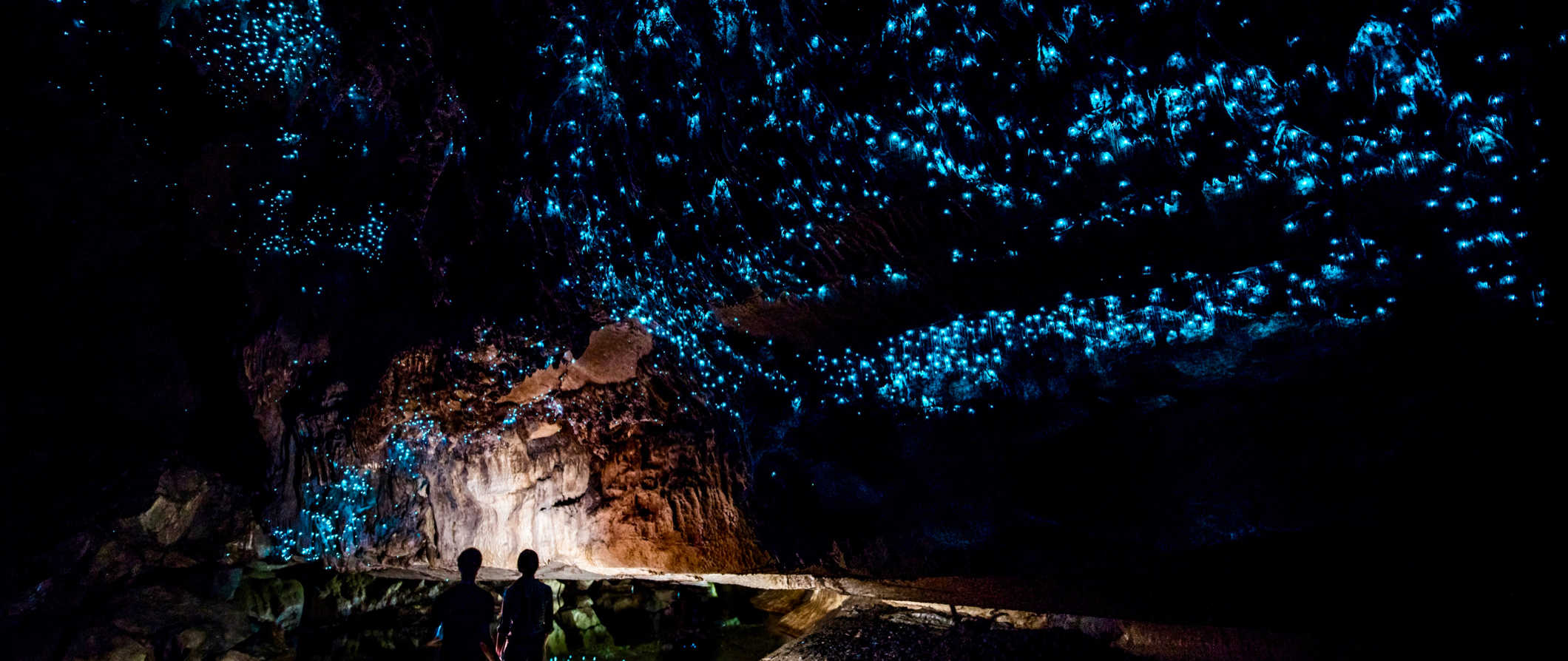
Day I – Leave Auckland early and drive south to the Waitomo caves, which is about a 3 hour drive with stops. Take a guided tour of the Waitomo Glowworm cases, which is a surreal experience where you glide silently in a boat in the dark cave with the ceiling of the cave lit by thousands of twinkling glow worms. For a more adventurous experience and if you have the time you can try water rafting through the underground river system into the caves.
After a quick lunch in Waitomo drive east to Rotorua which is about a 2 hour drive. Stop by at the geothermal park to witness the unique landscape and experience the Pohutu Geyser and the mud pools or walk through the lush Redwood Forest. During the evening Immerse yourself in authentic Māori culture with a traditional hangi (meal cooked using natural steam/earth oven) and a cultural performance, including the haka, at a living village like Whakarewarewa or else you can unwind at the Polynesian spa which offers a range of geothermal mineral pools with views of Lake Rotorua
Day II drive north to Matamata which is about an hour from Rotorua for a guided tour of the Hobbiton movie set. Stroll through the charming Hobbit holes, gardens, and farmland seen in The Lord of the Rings and The Hobbit films, concluding with a drink at the Green Dragon Inn. Note that it is advised to book tours to Waitomo caves and Hobbiton needs to be booked in advance as they can sell out fast during the tourist season . Drive back to Auckland .
The route takes you through the lush, rolling hills of the Waikato region. If time allows stop by at Blue Springs which has crystal clear turquoise waters and some of the clearest freshwater in the world. This is actually the source of most of New Zealand’s bottled water. In the evening spend time in Auckland CBD and have a relaxing dinner at one of the many Harbour side restaurants and watch the sunset.
Alternatively if you are a beach person and want to skip Rotorua as a night stay is required here, you can cover Waitomo and Hobbiton on the same day and return to Auckland by night. Day II you can take a day trip by ferry to waiheke Island which is very popular for its beautiful beaches, vineyards and art scene. The ferry is 40 minutes one way and you can return by evening and explore Auckland CBD for rest of the evening.
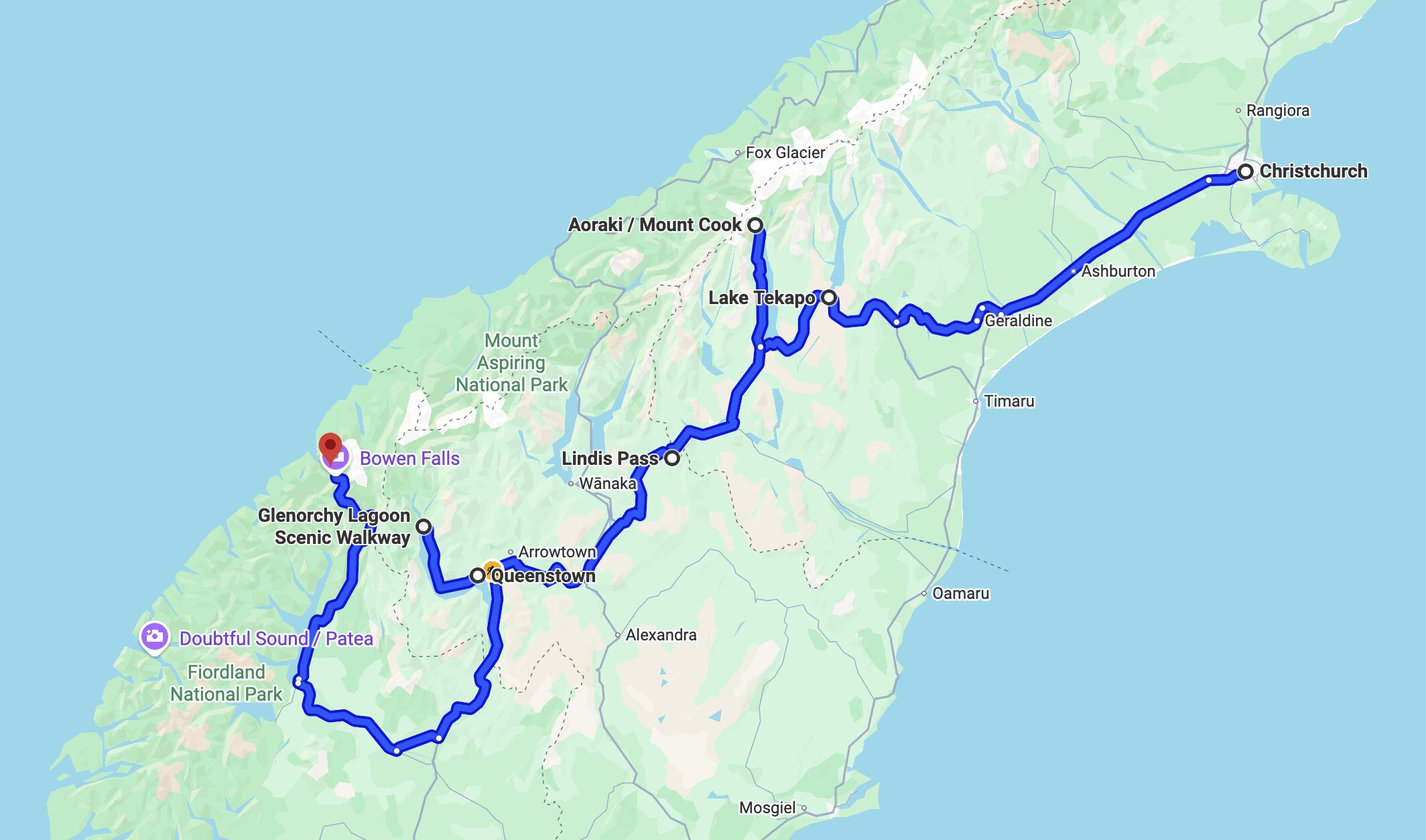
Southern Island Road Trip Itinerary (Days 3–7)
Our Southern Island journey began with an early-morning flight from Auckland to Christchurch, the main gateway to New Zealand’s South Island. From Christchurch onward, the trip became a self-drive adventure through some of the most dramatic landscapes in the country.
Day 3 – Christchurch → Lake Tekapo
After landing in Christchurch, we picked up our rental car at the airport and headed southwest toward Lake Tekapo. The drive takes roughly three hours and passes through wide-open farmland, braided rivers, and small towns like Fairlie, which is a convenient stop for fuel or food.
Lake Tekapo: Color, Landscape, and Atmosphere


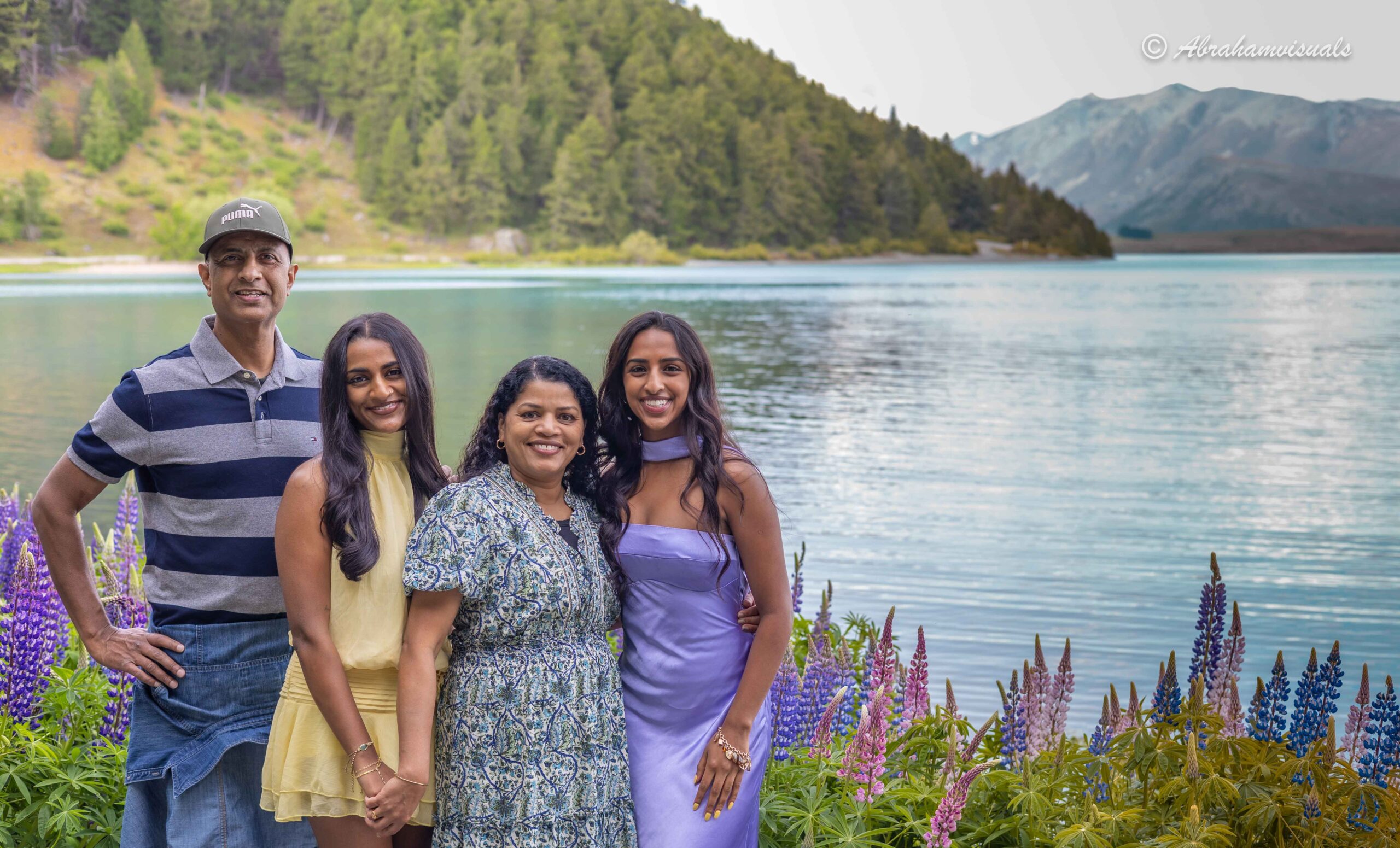
One of the most striking features of Lake Tekapo is its intense turquoise-blue color. This comes from glacial flour—fine rock particles created by glaciers grinding against bedrock upstream. These particles remain suspended in the water and reflect sunlight, giving the lake its signature color.
We stayed overnight at Lake’s Edge Holiday Park, located directly on the lakefront. During our visit, the lupins were in full bloom, lining the shoreline and roads with vibrant purples, pinks, and blues. The combination of turquoise water, snow-dusted peaks in the distance, and colorful flowers made this one of the most visually impressive stops of the trip.
In the evening, we walked along the lake, visited the area near the Church of the Good Shepherd, and took advantage of the quiet setting. Tekapo is also part of a Dark Sky Reserve, making it an excellent place for stargazing on clear nights. Tekapo is small and peaceful—ideal for slowing down. Stock up on supplies before arrival at the village. There are a bunch of nice restaurants in the village . Sunset and early morning light are best for photos
Day 4 – Lake Tekapo → Aoraki / Mount Cook → Wanaka → Queenstown
This was the longest and most scenic driving day of the itinerary. We left Tekapo early and drove toward Mount Cook National Park, home to New Zealand’s highest peak.
Aoraki / Mount Cook National Park
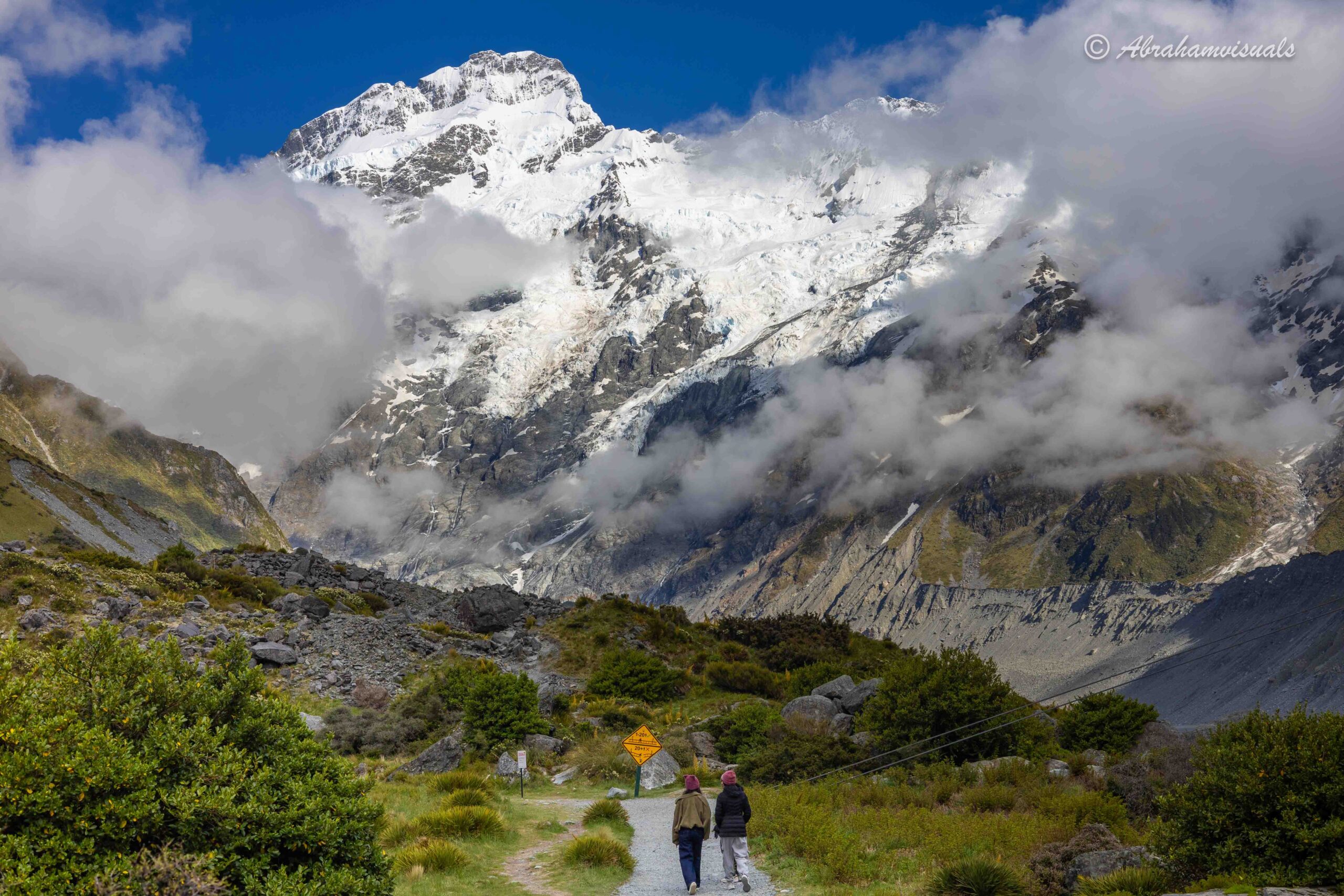

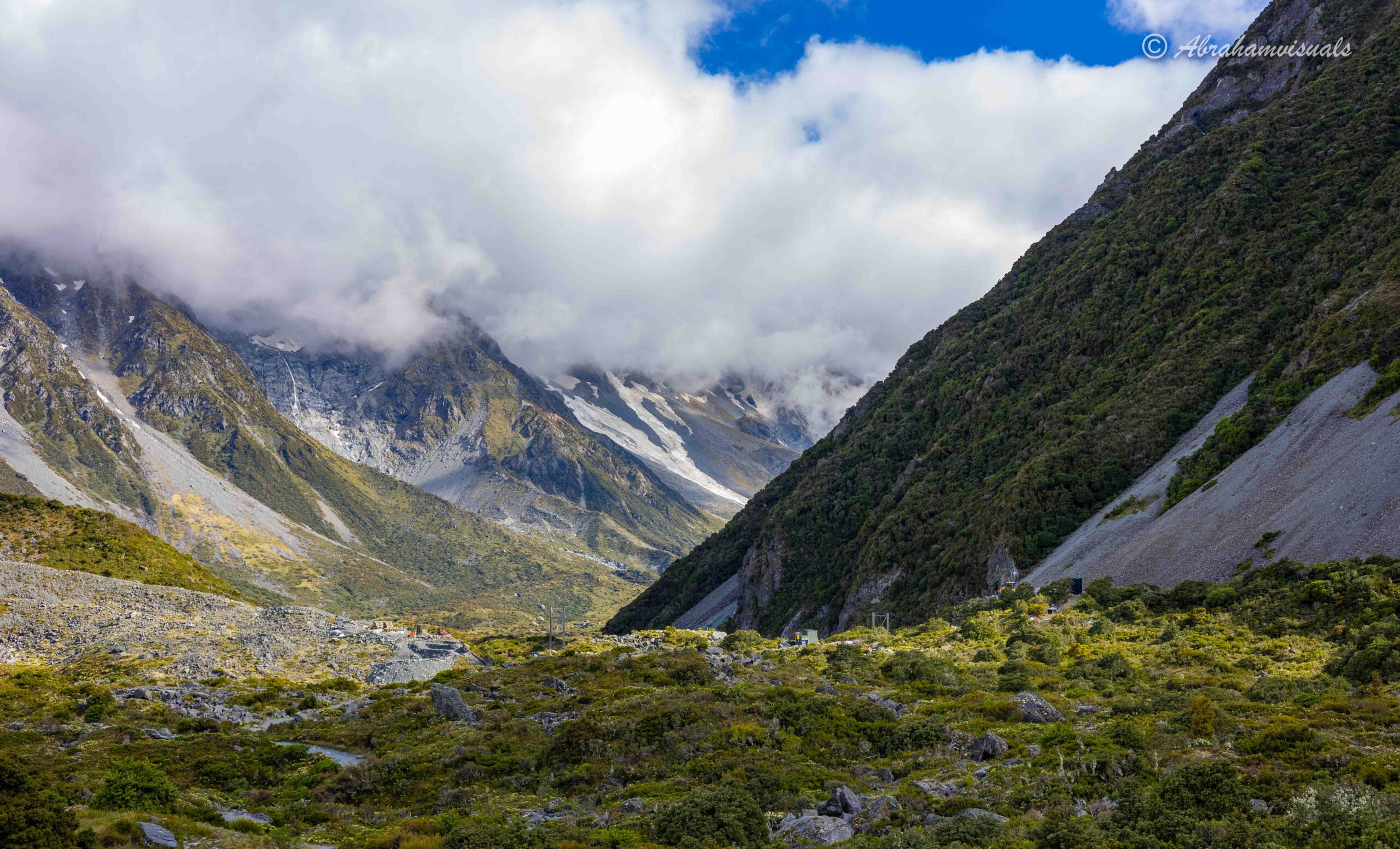
The drive into the park gradually reveals glacier-fed lakes, alpine valleys, and towering peaks. We parked near White Horse Hill and completed the Hooker Valley Track, one of the most accessible and rewarding hikes in the country.
The trail is mostly flat and crosses several suspension bridges, with constant views of glaciers and mountain ranges. The final viewpoint looks over a glacial lake with floating icebergs, weather permitting. The hike took us about 2.5–3 hours round trip, including stops for photos.
After Mount Cook, we continued driving toward Wanaka. Wanaka felt quieter and more relaxed than Queenstown. Lake Wānaka, in New Zealand’s South Island, is a stunning glacial lake known for its clear blue waters, surrounded by the Southern Alps and offering year round adventure. We stopped briefly by the lakefront for photos and a short break before continuing on and reaching Queenstown by night.
Start early to avoid driving in the dark. Carry food and water—options in Mount Cook are limited. Wanaka is a good place to pause and reset
Day 5 – Queenstown → Glenorchy → Queenstown
This day focused on shorter drives and detailed exploration. We drove from Queenstown to Glenorchy, a route often described as one of the most scenic in New Zealand.
Glenorchy: Landscapes & Photography
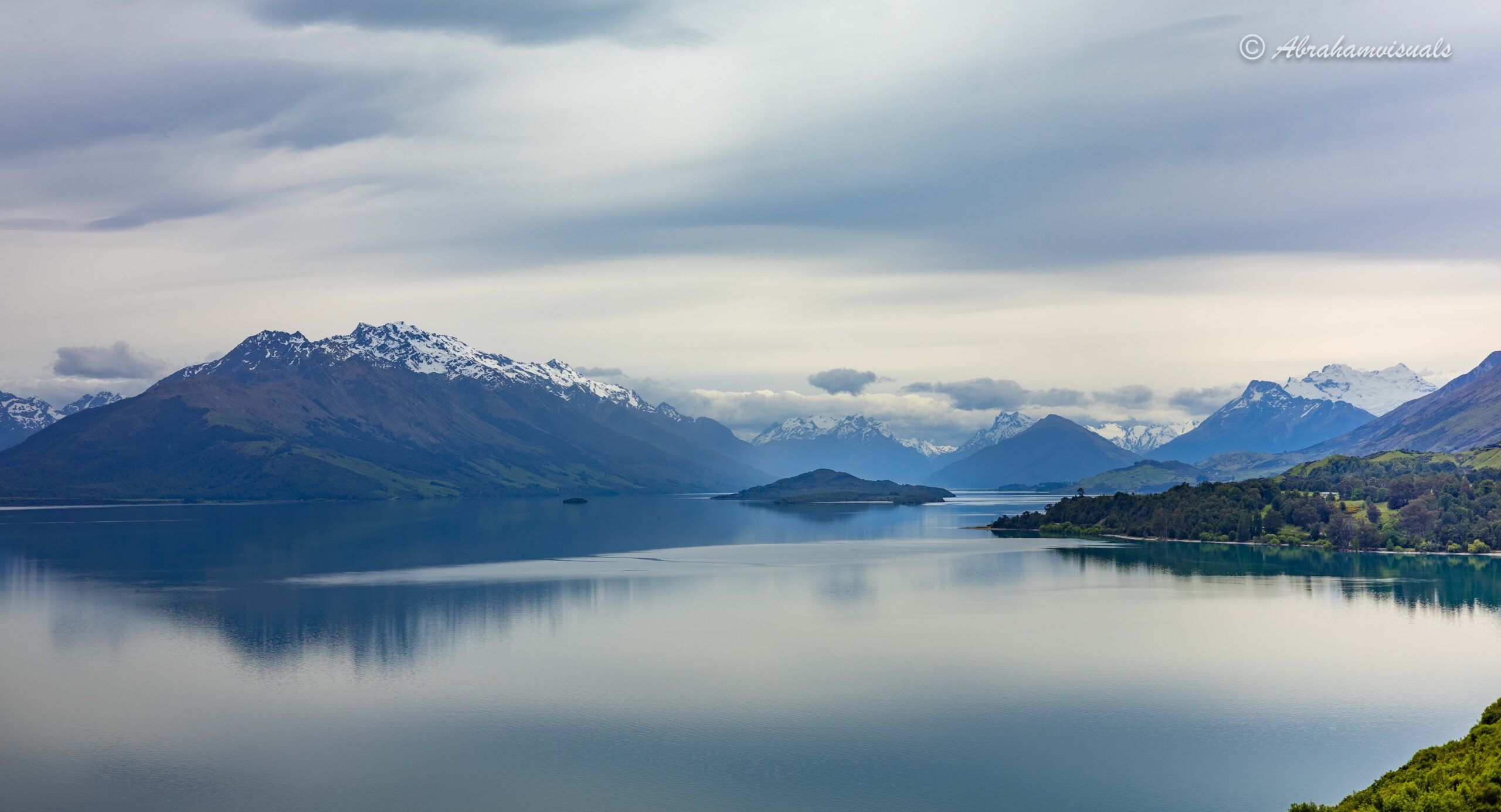
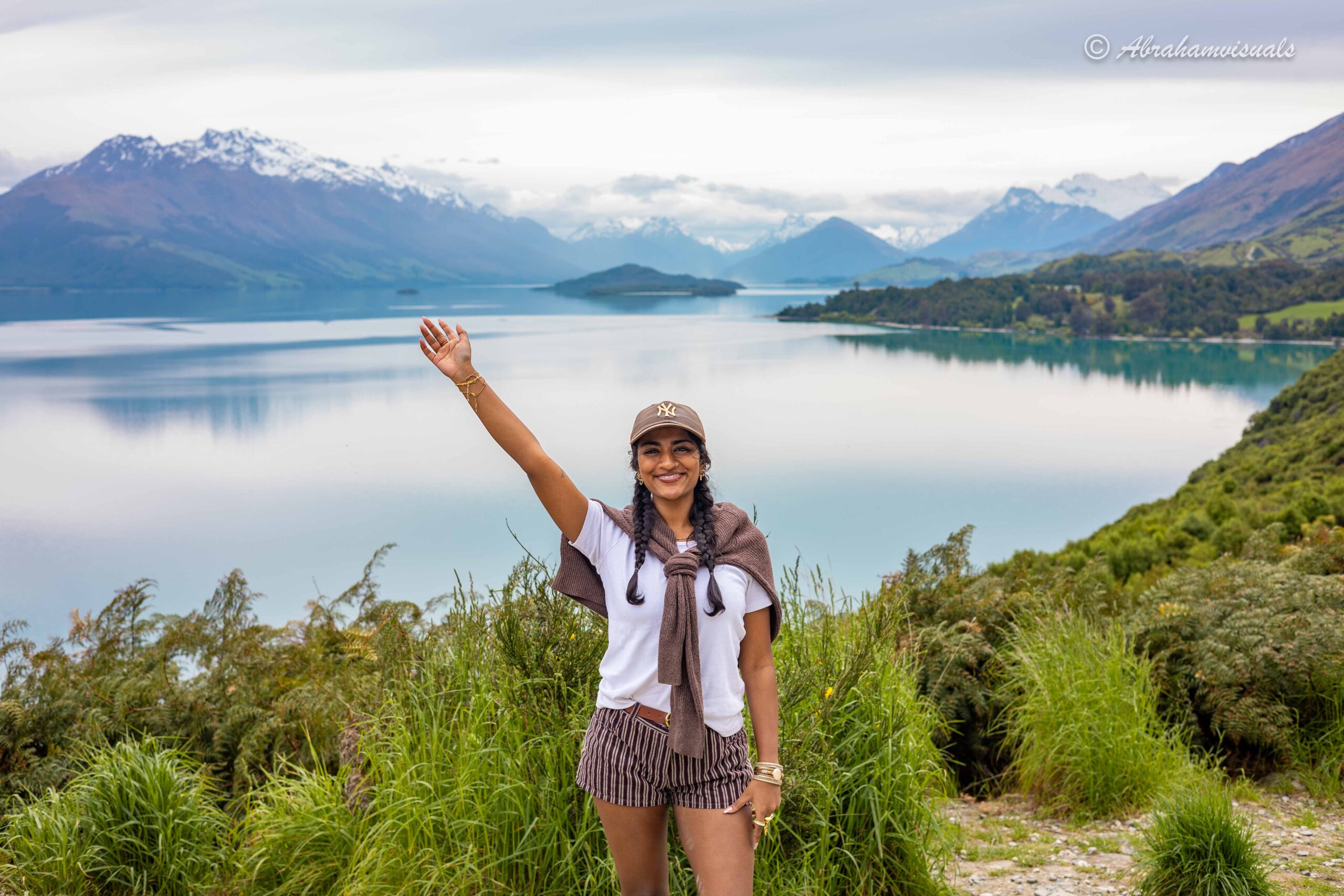
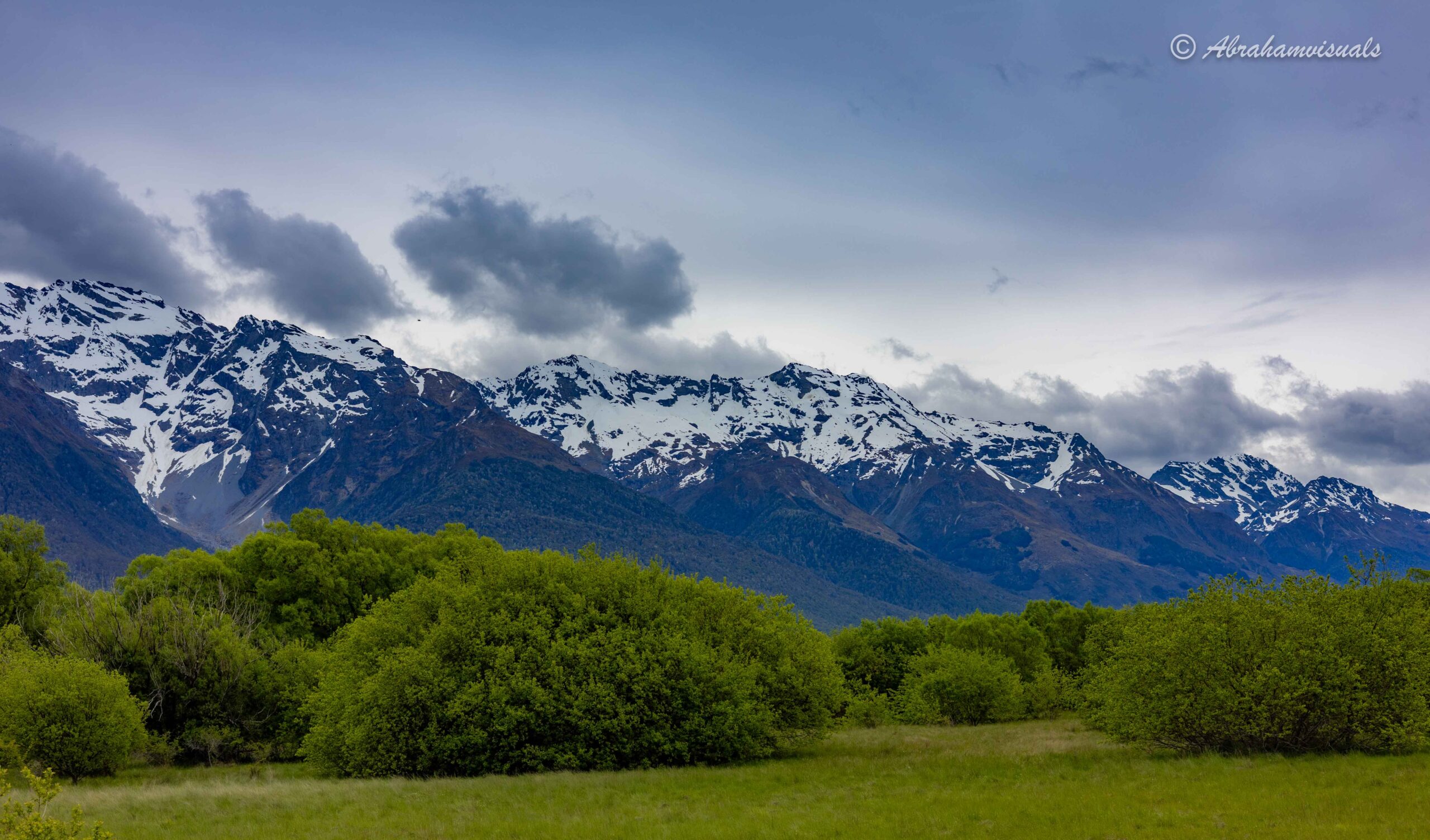
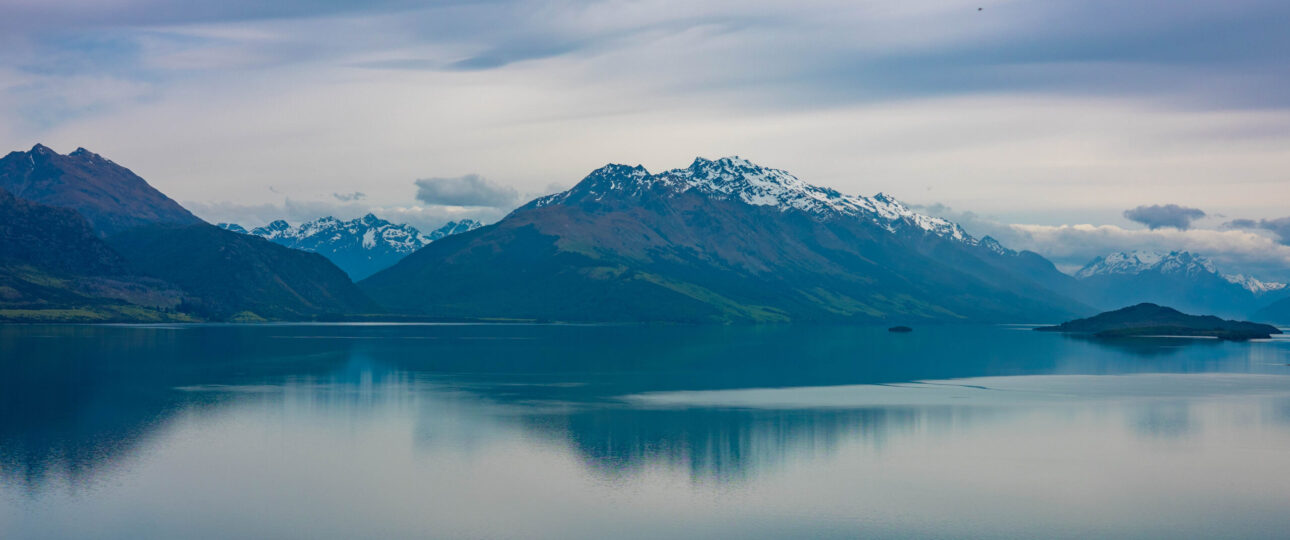
The road hugs Lake Wakatipu, with constant lake and mountain views. There are numerous pull-offs offering surround views of absolutely stunning glacial waters with snow capped peaks , it is a treat to stop at all the view points, especially on clear days.
In Glenorchy, we walked the Glenorchy Lagoon Walkway, including the Lagoon View Trail. This area is especially popular for photography because of the calm water reflections, wetlands, and open mountain backdrop. Many scenes here have been used in films, including The Lord of the Rings, which adds to its appeal.
Glenorchy itself is very small, with a handful of cafés and shops. We had lunch in town and spent time walking near the jetty before returning to Queenstown in the afternoon. Easy, flat trails with high visual payoff, Excellent for landscape photography and Much quieter than Queenstown
Day 6 – Milford Sound Day Trip
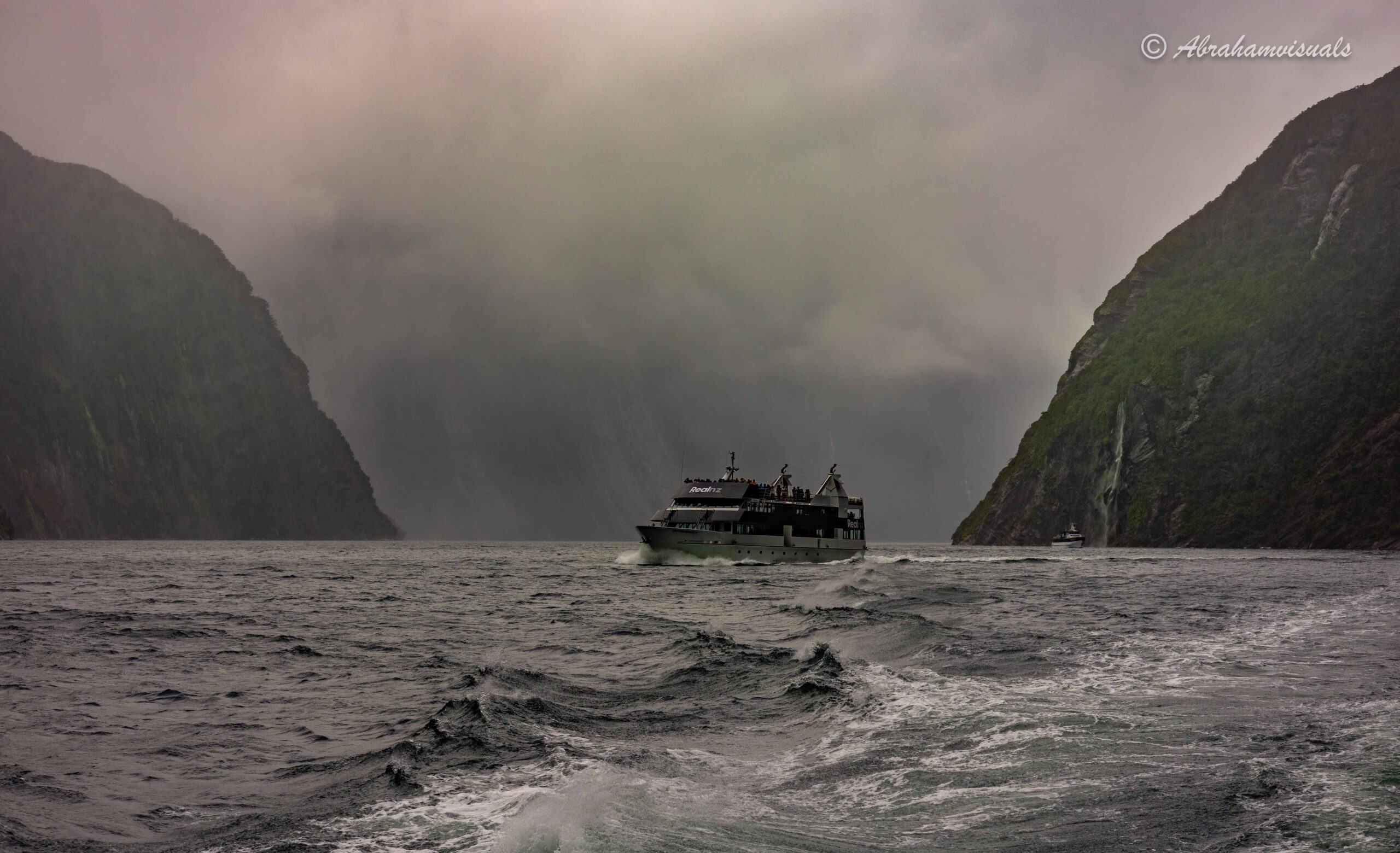
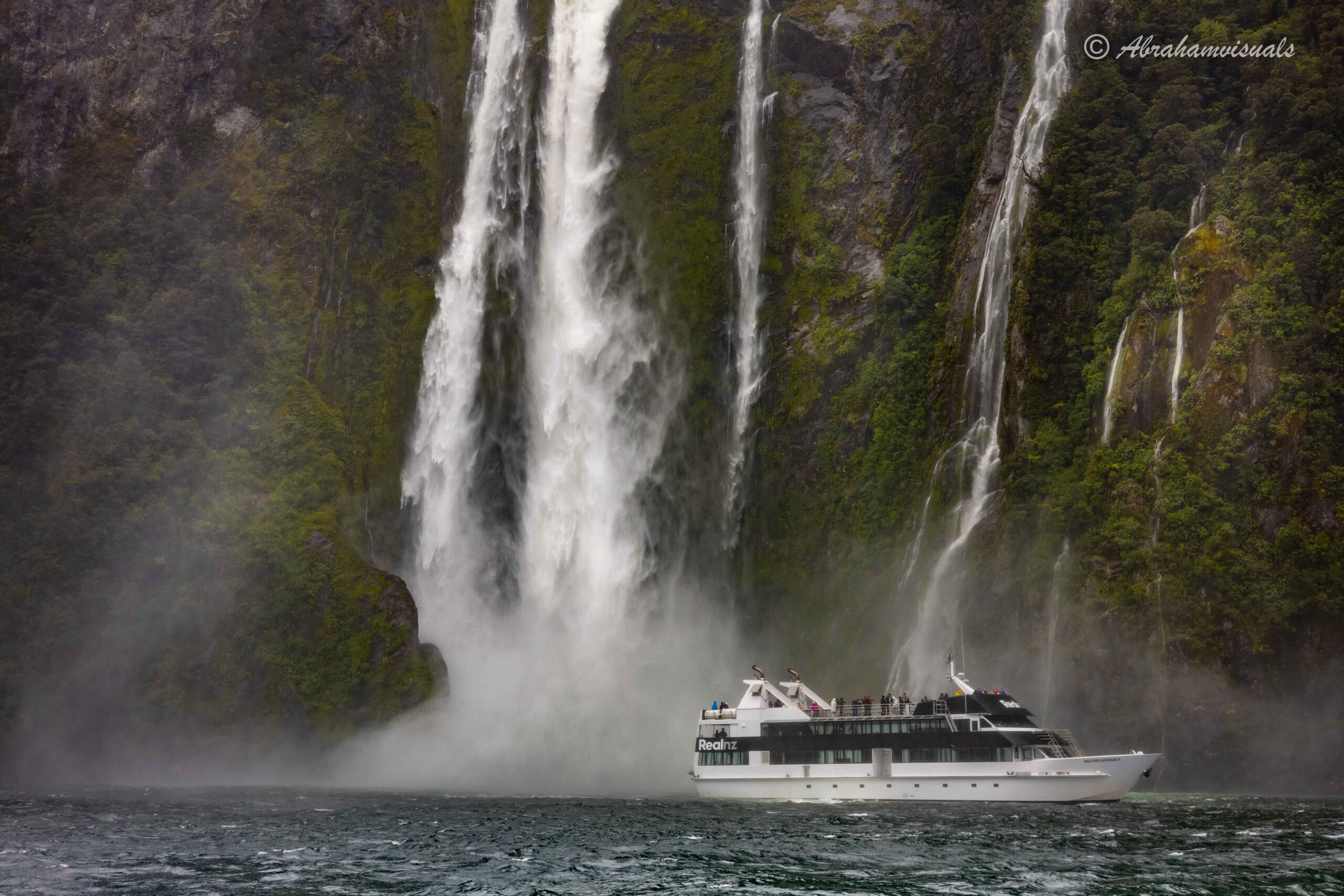
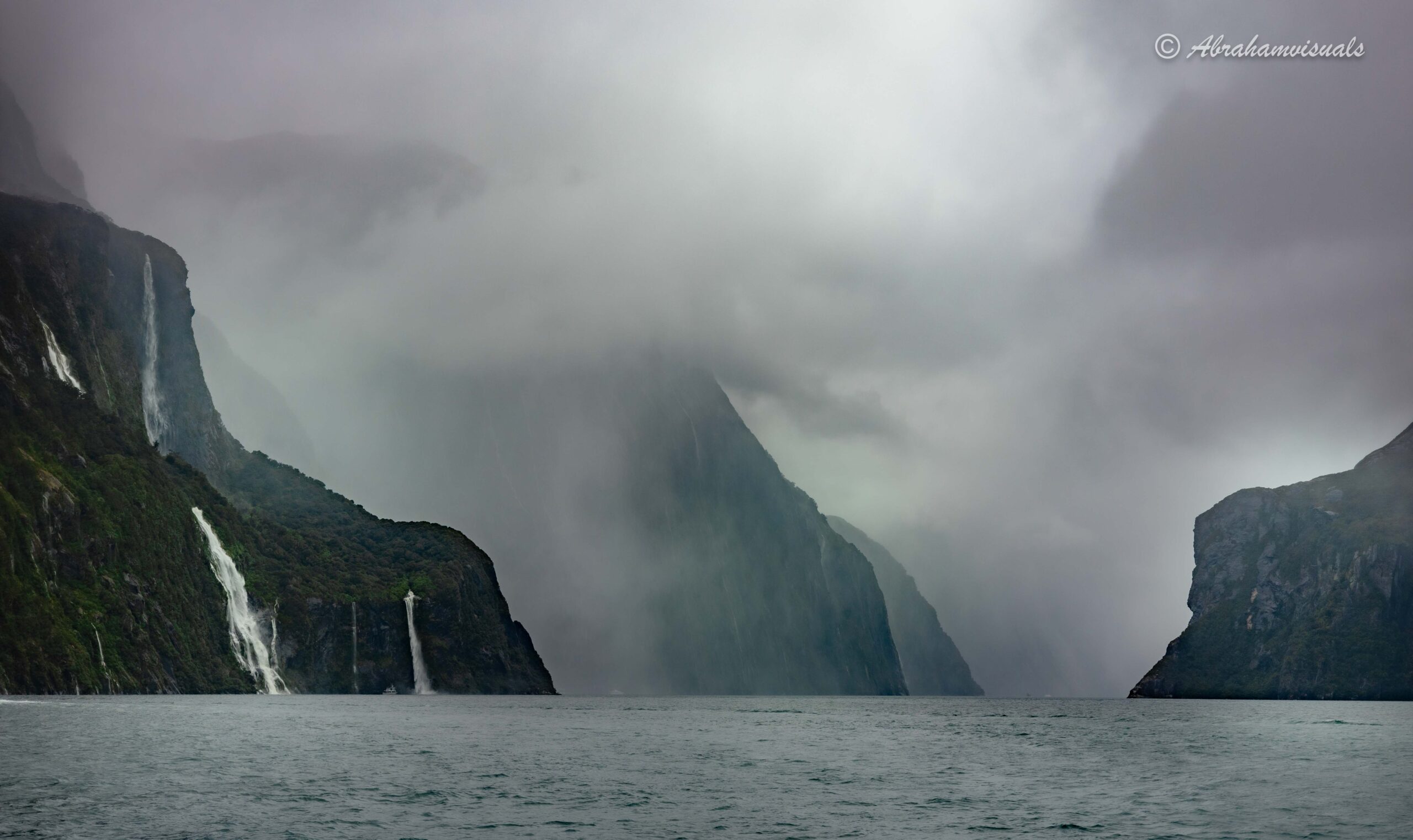
We booked an organized day tour to Milford Sound, which included pickup from our hotel in Queenstown. Milford Sound, or Piopiotahi, is New Zealand’s iconic, glacier carved fjord in Fjordland National Park, famous for its dramatic cliffs, towering waterfalls (especially in rain), lush rainforest, and stunning scenery, often called the “eighth Wonder of the World” by Rudyard Kipling, accessible by a scenic road (State Highway 94) or air, offering boat cruises, kayaking, and hiking to experience its majestic views
Fiordland National Park
The drive passes through Fiordland National Park, one of the largest and most remote national parks in New Zealand. Fiordland is known for its deep valleys, steep cliffs, heavy rainfall, and dramatic waterfalls—many of which appear only after rain.
The Milford Sound cruise is the highlight, taking you close to waterfalls and beneath sheer rock faces that rise straight out of the water. The scale of the landscape is difficult to capture in photos and is best appreciated in person.
Day 7 – Queenstown (Half Day) → DepartureOur final day was kept light. We explored Queenstown at a relaxed pace, walking along the lakefront and through Queenstown Gardens, had lunch at Fergburger which is the world famous burger place visited by people all over the world. The relaxed schedule was a good chance to enjoy the town without rushing and wrap up the trip before heading to the airport in the afternoon.
Hotel Review

Crowne Plaza, Auckland
Modern, high-rise waterfront hotel in a prime CBD location near Commercial Bay. Loved the views from our room on 19th floor, room quality, comfort, and service. Very close to all the main areas. We paid US$190 for the night – room with 4 person occupancy and paid $30 for the car park . Rating 9/10
Novotel Christchurch Cathedral Square
We loved the “walk-everywhere” location right on Cathedral Square, Mid range comfort and is a good hotel if you are staying for a couple of days. We paid US$280 for the night. Would recommend. Rating – 8/10
Lakes Edge Holiday Park (Lake Tekapo)
Family-friendly holiday park right by the lake with stunning views of the lake, convenience to town/Tekapo Springs, and overall cleanliness. Our cabin could easily accomodate six people.
Slightly expensive due to its location and absence of other such properties nearby. We pad US$410 for the night. Rating – 9/10
Rendezvous Heritage Hotel Queenstown
Classic Queenstown resort-style property with larger room categories and apartments. The hotel is about 15 minutes walk to Queensland downtown and some rooms have stunning alpine or lake views. We paid US$ 250 per night and additional $15 per night for parking. Rating- 8/10
Final Thoughts – Why New Zealand Belongs on Every Traveler’s List
Our time in New Zealand highlighted just how unique the country is, even within a short trip. We began with two nights in Auckland, which offered a relaxed introduction—harbour views, easy city walks, good food, and quick access to beaches and viewpoints. Auckland felt modern and multicultural, yet never overwhelming, with nature always close by.
The journey through the South Island was where New Zealand truly set itself apart. In just a few days, we experienced turquoise glacial lakes like Lake Tekapo, alpine hikes in Aoraki / Mount Cook National Park, quiet lakeside towns such as Glenorchy, and the dramatic scale of Fiordland and Milford Sound. The landscapes change quickly but feel untouched, and the roads themselves are part of the experience.
What makes New Zealand special is the combination of variety, accessibility, and scale. You can move from cities to remote national parks in hours, not days. Hikes with world-class scenery are often well-maintained and approachable, and even popular destinations retain a sense of calm. For anyone who enjoys road trips, nature, photography, or simply seeing places that feel genuinely different, New Zealand delivers consistently.
For an avid traveler, New Zealand isn’t just another destination—it’s a place where every day feels distinct, and where both islands offer experiences that are hard to replicate anywhere else
More more travel tips read Ultimate Road trip to see the best of Spain